 East Cooper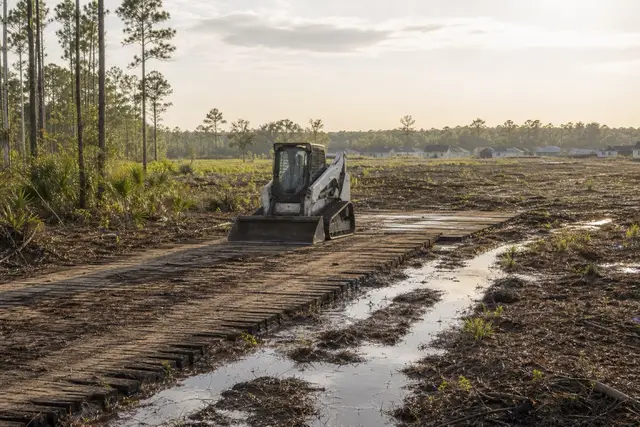
East Cooper Land Clearing pairs Johns Island property owners with a local land clearing contractor for forestry mulching, lot clearing, and site prep across the Johns Island area.
Johns Island is the largest island in South Carolina, and while it is not an incorporated town, the surrounding census county division counted 22,013 people — a figure that keeps climbing as subdivisions roll across land that grew tomatoes and soybeans within recent memory. The clearing demand follows the farmland conversion: field edges and hedgerows coming out ahead of construction, wooded remnants opened for homesites, and long-neglected corners of former farms brought back under control.
What makes Johns Island genuinely different is under the surface. The island's water table sits notoriously high, and the low ground runs toward soils like the Bohicket series — tidal-flat muck the USDA describes as very poorly drained and flooded daily by tides. Heavy equipment that works fine on the sandy ridges will bury itself in a Johns Island bottom after a wet week, which is why local practice leans on tracked, low-ground-pressure mulchers, dry-window scheduling, and the humility to walk a parcel before promising anything about it.
That same standing water is why ditch-line and drainage clearing is half the work here — a farm ditch choked with brush backs water onto everything upstream of it, and with the county averaging better than 45 inches of rain a year, upstream is never dry for long. Describe the parcel through this site and a free quote comes back priced line by line from a local contractor, with wet-ground measures listed as their own items instead of hidden inside a padded total.
Where the Water Table Calls the Shots
Johns Island clearing is planned from the ground down. The water table sits notoriously high, the low ground runs toward very poorly drained tidal-flat soils like the Bohicket series, and gear that handles the sandy ridges without complaint can sink to its belly in a bottom after one wet week. Local practice answers with tracked machines that spread their weight, scheduling built around dry stretches, and a habit of walking every parcel before anything gets promised about it.
Half the work here is drainage in disguise: one brush-choked farm ditch pushes standing water onto every parcel above it, and with better than 45 inches of rain in an average year, per the National Weather Service in Charleston, upstream never stays dry for long. Clemson's Home and Garden Information Center covers wet-site vegetation for owners deciding what to clear and what to leave working as a buffer.
Scoping Former Farmland Before Anyone Quotes It
The walk-through on a Johns Island parcel is a soil-reading exercise as much as a vegetation count. A local contractor maps which stretches are firm sandy ridge and which are bottom, notes the hedgerows and field edges left from the farming decades, and marks where a ditch line needs opening before anything else will stay dry.
The free estimate then separates the soft-ground allowances from the straightforward mulching, with ditch work and any haul-off each on its own line, so the number reflects what the parcel actually is rather than what it looks like from the road. Planning around Johns Island starts with the local reference at SCDNR wetland and waterway resources.