 East Cooper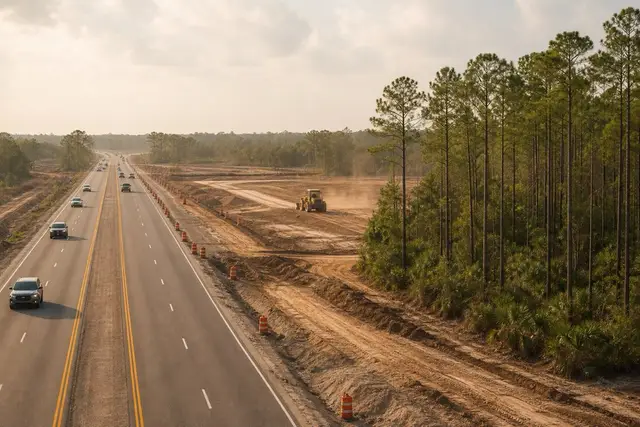
East Cooper Land Clearing pairs Wando property owners with a local land clearing contractor for forestry mulching, lot clearing, and site prep across the Wando area.
Wando is an unincorporated Berkeley County community whose surrounding census county division counted 23,559 people — a number that says the quiet riverside crossroads is not so quiet anymore. Growth pouring up the Clements Ferry corridor has turned wooded parcels here into some of the most-watched land north of the Wando River, and the clearing work follows the pattern of a place mid-transition: timberland edges converted to homesites, family land opened up before it is priced out of reach, brush pushed back from new fence lines.
The name is worth knowing for another reason: the USDA maps much of the region's sandy upland ground as Wando loamy fine sand, an excessively drained soil that takes equipment as well as any ground in the Lowcountry. Where a parcel runs down toward the river and the soil shifts toward tidal muck, that advantage vanishes — so the productive question on any Wando job is which parts of the tract are firm sand and which parts will swallow a machine, answered by walking the land before quoting it.
The road that made this corridor is also its clock. With Clements Ferry being widened to four lanes, parcels that sat wooded for decades are getting decisions made about them, and clearing is usually decision one. A free quote requested through this site comes back itemized — mulching, grubbing, and haul-off priced separately by a local contractor who can tell firm ground from wet before the first pass.
Named After the Soil Under the Work
The community shares its name with Wando loamy fine sand, the excessively drained upland soil the USDA maps across much of the region, and that coincidence is the whole story of clearing here. On the sandy uplands, equipment works as cleanly as anywhere in the Lowcountry, in almost any week of the year. Where a parcel slopes toward the river and the ground shifts to tidal muck, that advantage vanishes, and the same machine that glided over the top of the tract will bury itself near the bottom of it.
Clemson's soil and landscape resources cover how sharply drainage classes change across short Lowcountry distances, and SCDNR is the reference for what lives in the wetter margins an owner may decide to leave alone.
Why a Wando Quote Is Walked, Not Guessed
A local contractor prices a Wando parcel by walking it end to end and drawing the practical line between firm and soft. Sections of the tract get sorted into mulch, grub, or leave, and any wet-edge work gets flagged for dry-window scheduling rather than promised for next week.
The free estimate itemizes each of those decisions, so mulching the upland, grubbing the homesite, and hauling anything that must leave are separate numbers. With Clements Ferry Road being widened and long-quiet parcels getting decisions made about them, that itemized sheet is often the document a family actually plans around. Before scheduling work near Wando, compare the site plan with NWS Charleston rainfall and forecast data.