 East Cooper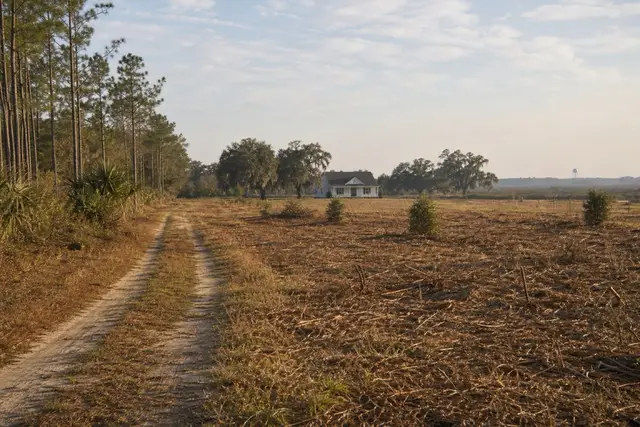

East Cooper Land Clearing pairs Moncks Corner property owners with a local land clearing contractor for forestry mulching, lot clearing, and site prep across the Moncks Corner area.
Moncks Corner, the Berkeley County seat at the head of the Cooper River, counted 13,297 residents in 2020 and sits at the center of one of the fastest-growing exurban corridors in South Carolina. The land tells the transition story plainly: former pasture and cutover timber on the edge of town is becoming subdivisions, while the parcels one ring further out are being bought by people who want acreage — and then discover what Lowcountry acreage does when nobody cuts it.
Reclamation is the signature job here. A field left fallow along this corridor goes to broomsedge, then wax myrtle and sweetgum, then young pine, and within a decade it is woods again; Chinese tallow, naturalized across the coastal plain since its introduction to South Carolina in 1776, moves into open ground faster than any of them and is worth removing by name before it seeds a monoculture. Brush hogging and forestry mulching bring that ground back in a pass or two, and keeping it back is a maintenance schedule rather than a rescue.
For owners prepping to build, the sequence matters: clearing and grubbing first, then grading, then the pad — each a separate decision with a separate cost. Send the details through this site, and back comes a free line-by-line estimate from a local contractor with those stages priced individually, so a Moncks Corner project can start with exactly as much of the sequence as the budget covers.
Reclaiming Ground Before It Turns Back to Woods
The succession sequence around Moncks Corner is predictable enough to set a watch by: broomsedge shows up first, wax myrtle and sweetgum follow, young pine closes the deal, and a decade later the field is gone. Chinese tallow beats them all to open ground; introduced to South Carolina in 1776, it seeds aggressively into fallow fields and deserves removal by name before it forms a monoculture. Clemson's invasive-plant fact sheets show how to recognize it before it takes over a parcel.
Brush hogging and forestry mulching bring a fallow field back under control in one or two passes, and the Forestry Commission's landowner pages help with the longer question of what the land should become next: pasture again, pine under management, or a homesite.
Pricing the Build Sequence Stage by Stage
For owners prepping to build, the walk-through separates the project into its honest stages: grub and clear at the start, grade second, pour the pad last, each stage a distinct decision with its own line. A local contractor walks the parcel, marks where reclamation ends and construction prep begins, and returns a free estimate with the stages priced individually.
That structure lets a Moncks Corner project start with whatever portion of the sequence this year's budget reaches, then pick up the rest later without repricing the whole job from scratch. Moncks Corner-area project assumptions should be checked against Census QuickFacts for the greater Charleston area.